What Tool Belt Should You Buy for Gardening? A Complete Buying Guide
· By Hamza Ehsan
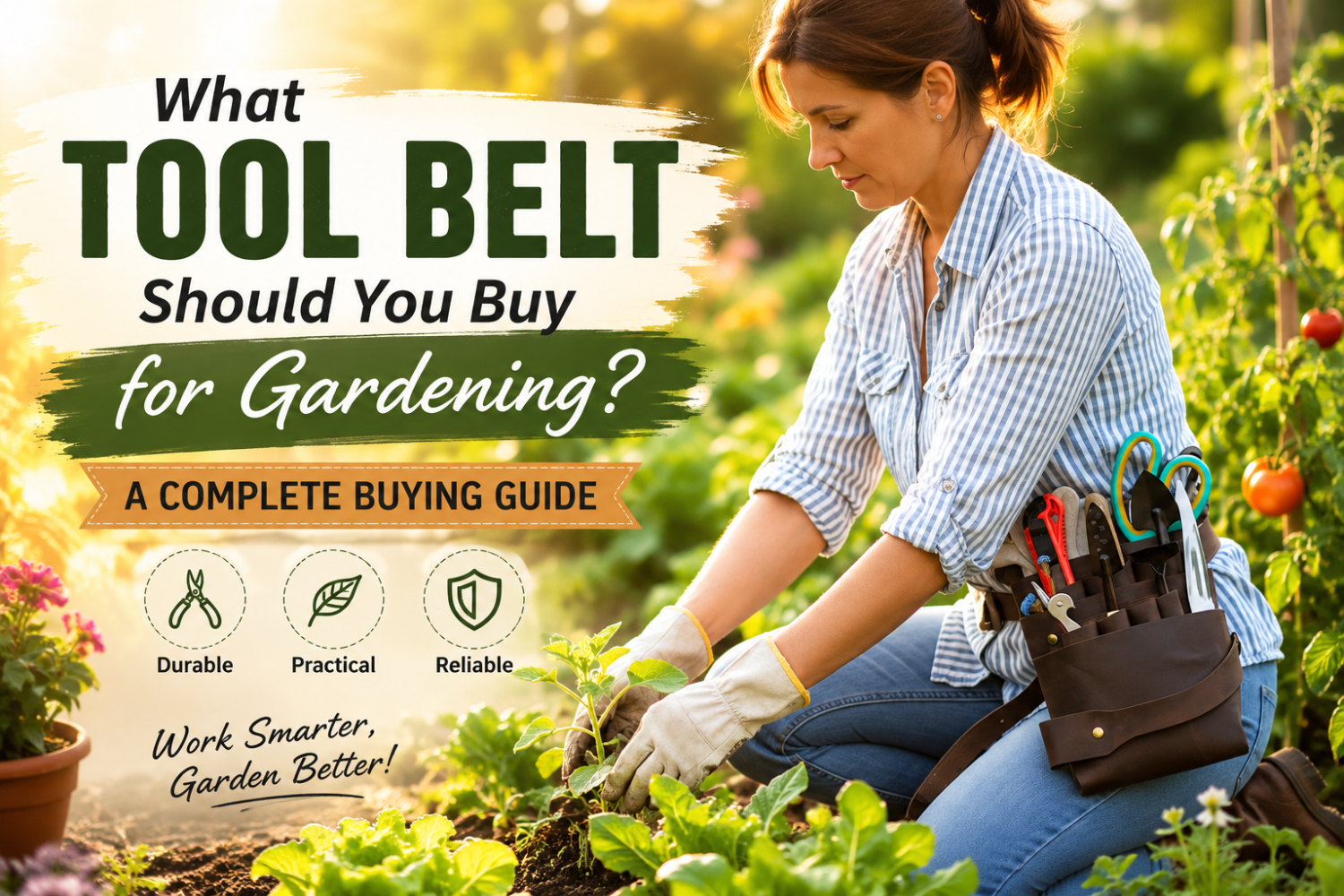
If you spend any real time in the yard, you already know the problem: pruners in one pocket, gloves in another, a trowel you set down somewhere and can never find again. A dedicated gardening tool belt solves this in one move, keeping every hand tool within reach so you're not walking back and forth to a shed or wheelbarrow every ten minutes. But not every tool belt on the market is built for garden work, and picking the wrong one means a belt that chafes, sags, or falls apart after one season outdoors. This guide breaks down exactly what to look for so you can buy a gardening tool belt that actually earns its keep.
Why a Dedicated Gardening Tool Belt Matters
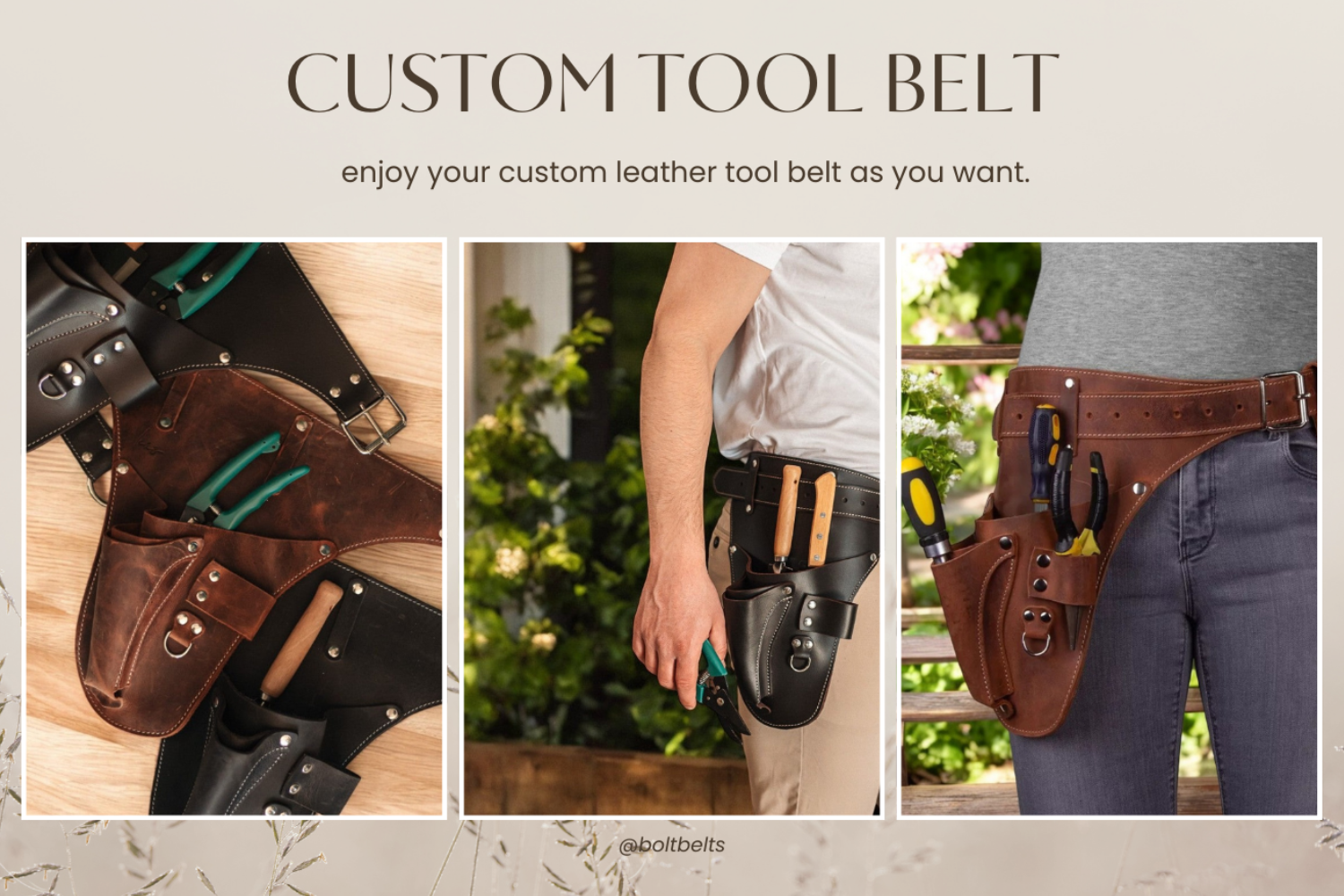
Gardening tools are small, sharp, and easy to lose in mulch or grass. A purpose-built gardening tool belt keeps pruning shears, hand trowels, twine, plant markers, and gloves organized in dedicated pockets, so you spend your time planting and pruning instead of hunting for tools. It also protects your tools a leather gardening tool belt keeps blades and metal edges away from moisture sitting in the grass, which helps prevent rust and extends the life of your gear.
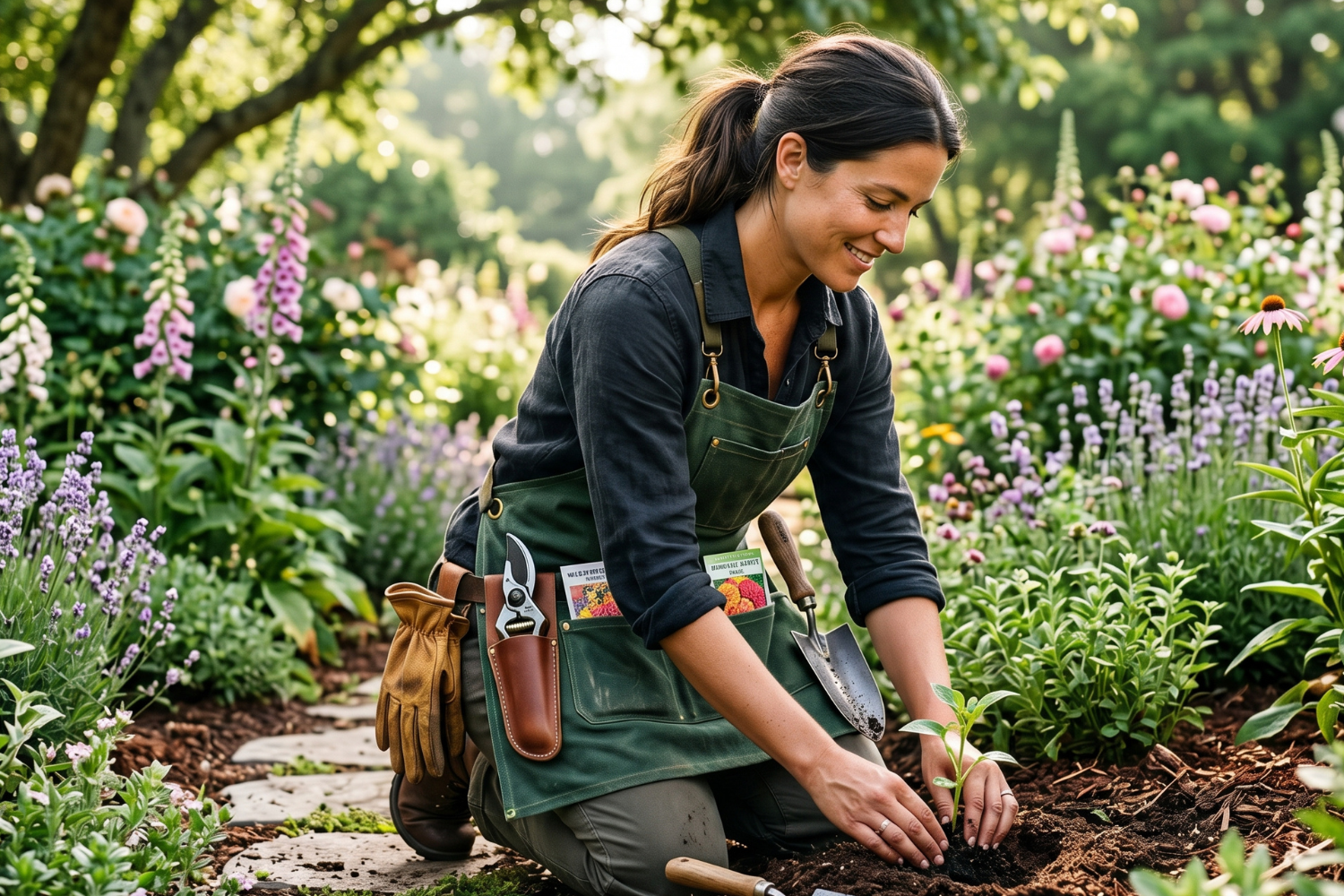
What to Look For in a Gardening Tool Belt
Before you buy, run any gardening tool belt through this checklist:
● Material: Full-grain leather holds up to sun, dirt, and repeated use far better than thin canvas or nylon, and it softens and molds to your body over time instead of wearing out.
● Pocket layout: Look for a mix of larger pouches for trowels and cultivators and smaller compartments for seed packets, twine, and plant tags.
● Adjustable, ergonomic fit: A belt that distributes weight evenly across your hips reduces lower-back strain during long stretches of planting or weeding.
● Reinforced stitching: Garden work means kneeling, bending, and reaching the stitching and hardware need to hold up to constant movement.
● Weather resistance: A belt you can wear rain or shine, without the material cracking or stiffening, is worth paying more for.
Leather vs. Canvas Gardening Tool Belts
Canvas and nylon garden aprons are cheap and lightweight, but they wear out fast, absorb moisture, and rarely hold their shape once loaded with tools. A leather gardening tool belt is the better long-term investment: full-grain leather is naturally weather-resistant, holds its structure under load, and actually improves with wear instead of degrading. If you're gardening a few hours a week versus running a landscaping business, the material still matters a belt that sags after a month of use costs you more in the long run than a well-built leather one.
Best Types of Gardening Tool Belts by Need
Multi-pocket belts for frequent use: If you're gardening most days or working as a landscaper, a belt with several dedicated pockets like the GreenGrip Leather Gardening Tool Belt gives you room for pruners, a trowel, gloves, and small hardware all at once, without digging around for what you need.
Lightweight belts for hobby gardeners: If you're mostly doing light pruning, planting, and weeding around the house, a slimmer option such as the FloraFit Leather Garden Tool Belt covers the essentials with adjustable straps and a lighter build, so it doesn't feel bulky for shorter sessions.
Belts for florists and detail work: Florists and gardeners working with delicate stems need quick access to small tools like snips and floral tape rather than bulky compartments, so a slimmer, pouch-style layout works better than a heavy multi-pocket rig.
Getting the Right Size and Fit
A gardening tool belt that's too loose will sag under the weight of your tools, while one that's too tight digs into your hips during long sessions. Most leather gardening tool belts use adjustable straps or buckles to fit a range of waist sizes, but it's worth checking the specific measurements before you order. Bolt Belts' size guide walks through exactly how to measure yourself so the belt sits comfortably on your hips rather than your waist, which is where most of the weight should rest during extended garden work.
Caring for Your Leather Gardening Tool Belt
Full-grain leather needs a little upkeep to stay flexible and crack-free, especially if it's exposed to soil and moisture regularly. Wipe the belt down with a damp cloth after muddy sessions and apply a leather conditioner every few months to keep the material supple. You can find more detail on how the leather is sourced and treated on Bolt Belts' our material page, along with a full breakdown of what separates full-grain leather from lower-grade alternatives.
Common Mistakes to Avoid When Buying a Gardening Tool Belt
● Buying based on pocket count alone: More pockets sound useful, but if they're not sized for your actual tools, you end up with empty compartments and awkward bulk on your hips.
● Choosing synthetic material to save money upfront: Nylon and cheap canvas belts often need replacing within a season, which ends up costing more than a durable leather option bought once.
● Ignoring waist placement: A belt worn too high rides up and pulls on your lower back; worn correctly on the hips, the weight sits on your skeletal frame instead of your muscles.
● Skipping maintenance: Even the best leather gardening tool belt needs occasional conditioning skip it, and the leather will dry out and crack years before it should.
Final Take | Which Gardening Tool Belt Should You Buy?
If you want one belt that handles daily garden work without needing to be replaced next season, prioritize full-grain leather, an ergonomic adjustable fit, and a pocket layout that matches how you actually work fewer, larger pockets for bulkier tools, or several smaller ones if you carry a lot of small items. For a deeper side-by-side look at specific models and what separates a well-made garden belt from a cheap one, our leather garden tool belt review breaks down the details further. Whichever belt you land on, the right one should disappear on your body while you work leaving you free to focus on the garden instead of your gear.
FAQs
-
What is the best material for a gardening tool belt?
Full-grain leather is the most durable option. It resists moisture and wear better than canvas or nylon, holds its shape under the weight of tools, and softens to fit your body over time instead of breaking down. -
How many pockets do I need on a gardening tool belt?
It depends on how often you garden. Frequent gardeners or landscapers benefit from multiple dedicated pockets for pruners, trowels, and gloves, while occasional or hobby gardeners usually do better with a slimmer belt that covers just the essentials. -
Where should a gardening tool belt sit on your body?
On your hips, not your waist. Wearing it on the hips lets your skeletal frame carry the weight of your tools, which reduces lower-back strain during long stretches of planting or weeding. -
How do you maintain a leather gardening tool belt?
Wipe it down with a damp cloth after muddy use and apply a leather conditioner every few months. This keeps the leather flexible and prevents cracking from repeated sun and moisture exposure. -
Is a leather gardening tool belt worth it over a cheaper canvas one?
Yes, for most regular gardeners. Canvas and nylon belts are cheaper upfront but wear out within a season under repeated use, while a well-made leather belt costs more initially but lasts for years.