If Your Back Hurts After Work, Your Tool Belt Might Be the Problem
· By Hamza Ehsan
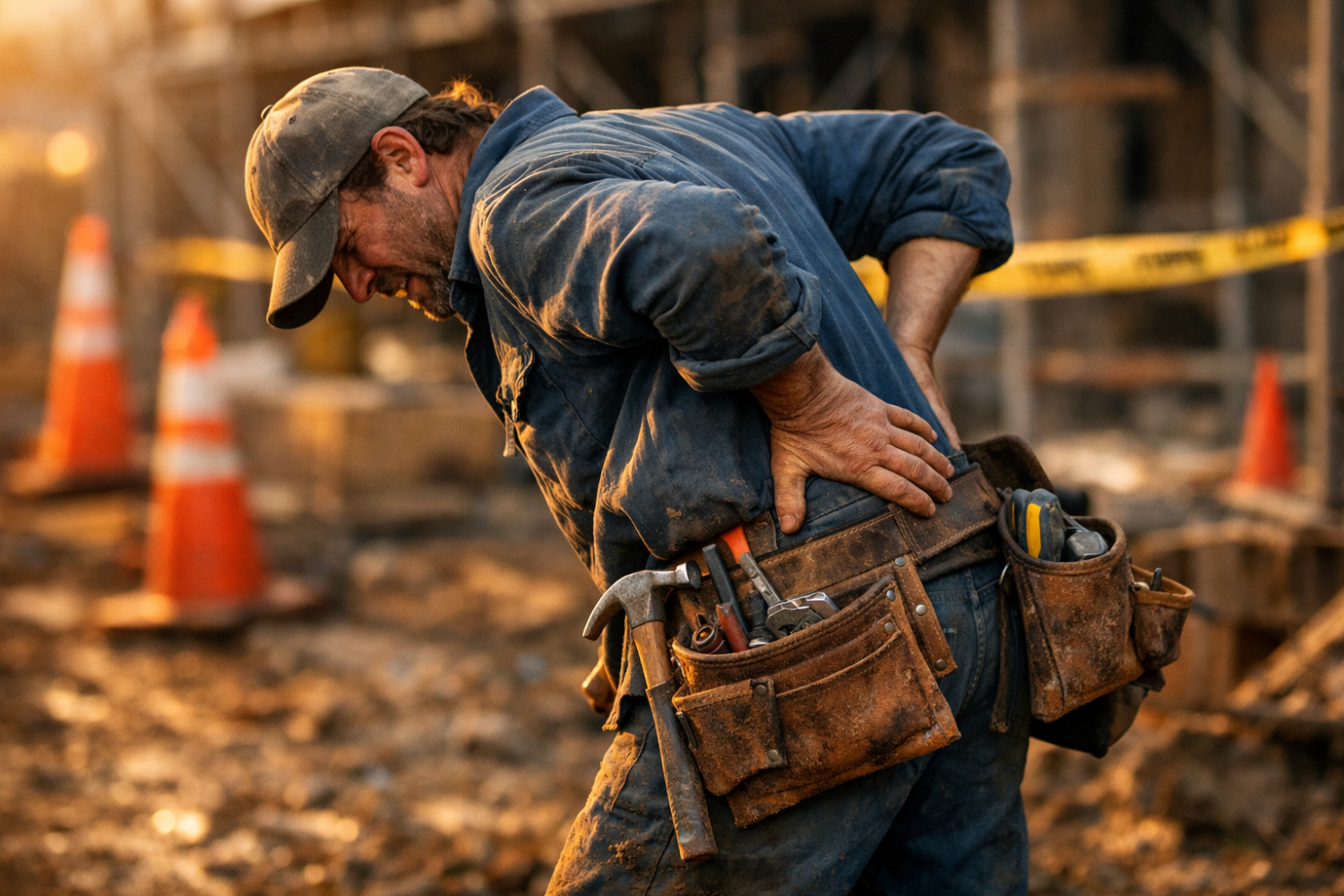
By the end of a long workday, most tradespeople expect to feel tired. Sore hands, heavy legs, and general fatigue come with the job. But persistent back pain especially in the lower back and hips is something many workers quietly accept as “part of the work,” even when it shouldn’t be. What if the problem isn’t the work itself? What if the discomfort you feel after hours on the jobsite is being caused by something you wear every single day your tool belt? For many electricians, carpenters, and construction professionals, back pain from a tool belt doesn’t show up immediately. It creeps in slowly. The belt feels fine in the morning. Tools are easy to reach. Everything seems normal. But as the hours pass, the strain builds, posture shifts, and by the time the day ends, your back feels tight, uneven, or exhausted.
This article breaks down why tool belts cause back pain, what actually happens to your body over a full workday, and how the right leather tool belt design can make a real difference not just in comfort, but in how long and how well you can work.
Why Back Pain Often Shows Up After the Workday Ends
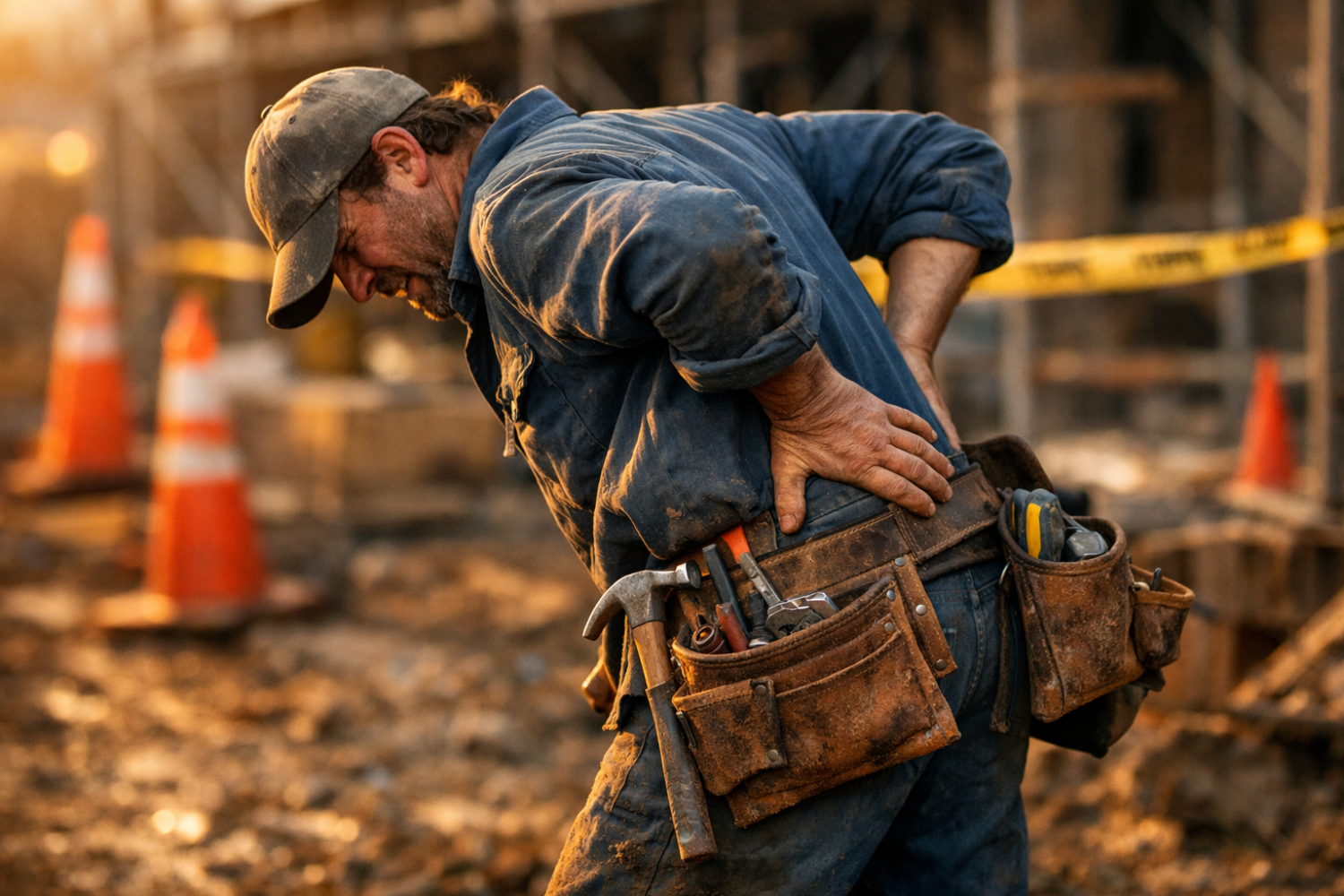
One of the most misunderstood things about tool belt discomfort is timing. If a belt were truly “bad,” people assume it would hurt immediately. In reality, most problems don’t show up until hours later. This happens because the human body is good at compensating until it can’t anymore. When a tool belt places weight unevenly on your hips or lower spine, your muscles adjust to keep you upright. You might lean slightly to one side without realizing it. Your core tightens. One hip works harder than the other. Over time, this constant micro-adjustment creates fatigue in the muscles that support your spine. By the end of the day, those muscles are exhausted. That’s when stiffness, soreness, and lower back pain appear. This is why many workers wake up the next morning feeling sore, even if the day before didn’t feel especially difficult.
The Real Relationship Between Tool Belts and Back Pain
Back pain from a tool belt is rarely caused by one single factor. It’s usually the result of several small issues stacking together over time. A poorly designed or poorly fitted belt doesn’t distribute weight evenly. Tools pull downward on one side. The belt sags. Pouches shift as you move. Each step, bend, or climb adds stress to the same muscles again and again. Over weeks or months, this turns into chronic discomfort. This is especially common with belts made from flexible or low-quality materials that stretch as the day goes on. Once the structure of the belt starts to collapse, weight shifts toward the hips and lower spine instead of staying supported around the waist. This is where the difference between a custom leather tool belt and a mass-produced belt becomes noticeable.
Why Uneven Weight Distribution Is the Real Problem
Most workers blame weight itself. “My belt is heavy” is a common complaint. But weight alone isn’t the issue. A properly designed leather tool belt spreads weight across the waist and hips evenly. When weight is balanced, your posture stays neutral. Your muscles don’t need to compensate. You move naturally. When weight is uneven, your body works harder just to stay upright. Over a full workday, this constant compensation drains energy faster than most people realize. It also explains why two belts with the same number of tools can feel completely different by the end of the day. This is why many tradespeople say they feel “uneven” after work one side of the body feels tighter, sorer, or more fatigued than the other.
Why Padding and “Ergonomic” Labels Often Don’t Help
Many modern tool belts advertise padding, cushioning, and ergonomic features. While these can feel good initially, they don’t always solve the core problem. Padding compresses over time. Soft materials shift. If the belt lacks structure, padding simply masks discomfort instead of fixing it. True comfort comes from balance, structure, and stability, not softness alone. This is where leather has remained relevant, even in a high-tech tool market. A well-built leather tool belt holds its shape. It doesn’t collapse under load. As it breaks in, it molds to your body while still maintaining support. That combination flexibility with structure is something synthetic materials struggle to replicate.
What Full-Grain Leather Actually Means on a Jobsite
The term “full-grain leather” gets thrown around a lot, but on a jobsite, it means something very specific. Full-grain leather retains the strongest fibers of the hide. It doesn’t rely on artificial coatings to look good. Instead, it gains character as it’s used. In practical terms, this means a full-grain leather tool belt resists stretching, holds weight more consistently, and ages without losing integrity. Over time, the belt conforms to your waist and movement patterns instead of breaking down. This is why many professionals consider a well-made leather tool belt a long-term investment rather than a disposable accessory. It’s also why people who switch to a high-quality leather belt often say they don’t want to go back.
Why Buying Twice Is Worse Than Buying Once
Many tradespeople don’t realize how common it is to replace tool belts too often. A belt wears out, starts sagging, causes discomfort, and gets replaced. Then the cycle repeats. What feels like saving money upfront often leads to higher costs over time not just financially, but physically. Each replacement means adjusting to a new fit. Each poorly designed belt increases strain. Over years of work, that strain adds up. This is why experienced workers often talk about buying gear “once” and letting it work for them long-term. A properly built best leather tool belt doesn’t need constant replacement. It improves with use instead of deteriorating.
Why Some Tool Belts Feel “Right” Instantly
Have you ever put on a tool belt and felt like it just worked?
No adjustments. No shifting. No constant tugging or readjusting. That feeling comes from alignment when the belt’s design matches how the human body actually moves during work, something a well-designed leather tool belt does naturally. Balanced pouches, proper spacing, strong stitching, and quality leather all play a role. This is also where craftsmanship matters more than branding. Belts built with real jobsite use in mind tend to feel natural because they’re designed around function, not trends. This is where brands that focus on bolt leather craftsmanship rather than mass production stand out quietly not through loud marketing, but through daily performance.
Long Workdays Reveal the Truth About Your Gear
Short tasks don’t expose flaws. Long workdays do. After eight, ten, or twelve hours, everything becomes more honest. Poor design shows up as fatigue. Weak materials show up as sagging. Bad balance shows up as pain. This is why back pain from tool belts is such an important topic it doesn’t just affect comfort, it affects longevity in the trade.
Ignoring it doesn’t make it go away. Addressing it can extend careers.
Small Adjustments That Make a Big Difference
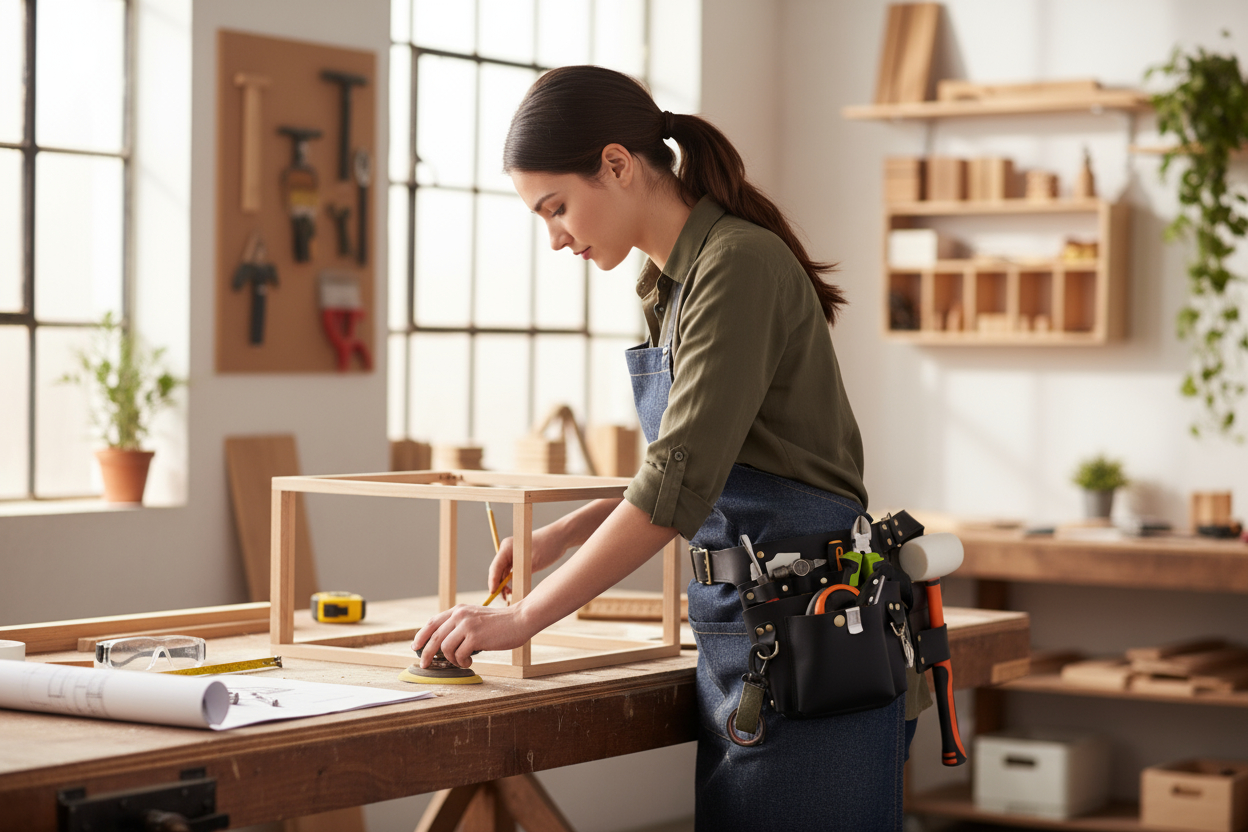
You don’t always need to replace everything at once. Sometimes small changes in setup or fit can reduce strain significantly. If adjustments are needed, focus on balance first, then structure, then comfort. Always pay attention to how the belt feels at the end of the day, not just when you put it on.
That’s when the truth shows up.
Conclusion
Pain isn’t weakness. It’s information. If your back hurts after work, it’s telling you something isn’t right. Listening to that signal early can prevent years of discomfort later. A well-designed leather tool belt doesn’t just carry tools it supports the way you work. It reduces unnecessary strain. It helps you move naturally. And over time, it becomes part of your routine rather than something you fight against. That’s the difference between gear that simply exists and gear that actually works with you. And when ease matters most at the end of a full workday that difference becomes impossible to ignore.
FAQ's
1. How can a tool belt cause back pain?
A poorly fitted or improperly adjusted tool belt can distribute weight unevenly, putting strain on your lower back. It can cause discomfort, leading to back pain after prolonged use.
2. What should I look for in a tool belt to avoid back pain?
Look for a leather tool belt with an ergonomic design that distributes weight evenly across your hips. Adjustable straps and padded sections also help in providing comfort.
3. Does the material of the tool belt affect comfort?
Yes, the material matters! Leather tool belts tend to be more durable and comfortable over time compared to synthetic alternatives, as leather molds to your body and provides better weight distribution.
4. How can I adjust my tool belt to reduce back strain?
Ensure your tool belt sits at hip level, not too high or low, to reduce unnecessary strain. Make sure the belt is adjusted properly to fit your body and doesn’t shift during movement.
5. Can a tool belt with too many pockets cause discomfort?
Yes, a tool belt with too many pockets can lead to overloading, causing excessive weight on one side of your body. Keep your tool belt organized and avoid carrying tools you don’t need.