What Tradespeople Wish They Knew Before Buying Their First Tool Belt
· By Hamza Ehsan
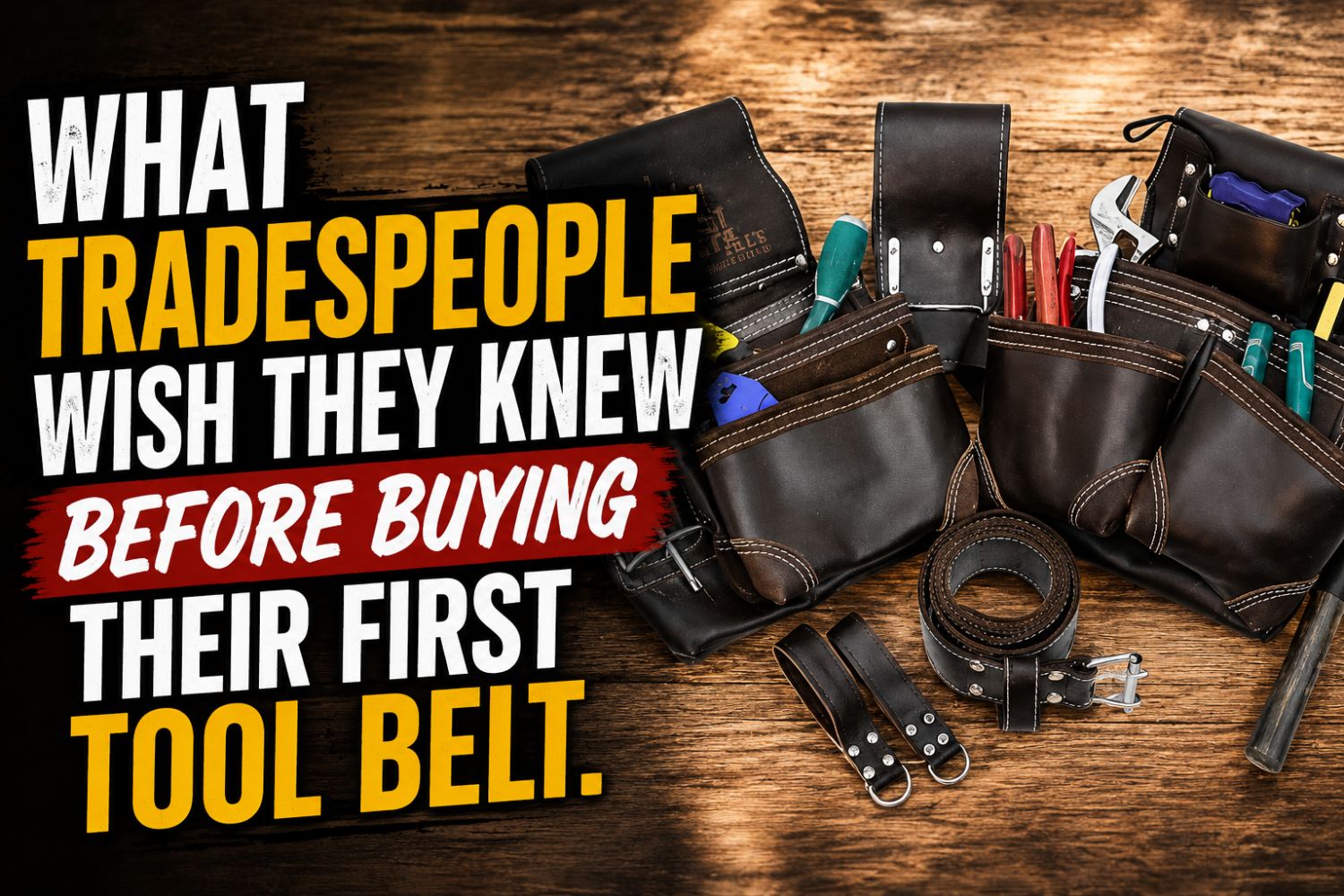
Almost every experienced tradesperson has a story about their first tool belt usually one about buying too fast, without understanding what actually matters once you're loaded up and ten hours into a shift. Choosing the best tool belt isn't about grabbing whatever looks rugged on a store shelf; it comes down to fit, durability, and how well it matches your daily workflow. A lot of beginners end up replacing their first belt within months, having learned those lessons the expensive way. This guide collects what seasoned pros wish someone had told them before their own first purchase.
The Mistake of Prioritizing Price Over Quality
New tradespeople often assume any belt will function about the same, regardless of price or brand. That assumption tends to fall apart within weeks budget belts commonly show stretched straps, torn pouches, or padding that turns a long shift genuinely miserable. Ask around and you'll hear the same thing from experienced workers: spending a bit more upfront saves real money and frustration down the line by avoiding repeat replacements. Learning that early, instead of through a ruined first purchase, sets you up to make smarter calls from day one.
Why Fit Matters More Than Beginners Expect
A belt that looks great on a display rack can feel completely different once it's loaded with tools and worn for eight or ten straight hours.
Waist and hip sizing isn't like clothing sizing
Many first-time buyers guess at sizing based on their regular pants size, not realizing tool belts fit differently because of padding and adjustable strap systems. A properly fitted belt sits comfortably on the hips without sliding down or riding up as you bend, climb, or reach. The real test is trying it on loaded with actual tools in the pouches not empty. That single step, often skipped, tells you more about true comfort than anything else you can do before buying.
Adjustability matters more once conditions change
Your body shifts slightly through a workday swelling, layered clothing, temperature changes which makes generous adjustment range more important than most beginners expect. A belt that fits perfectly at 7 a.m. can feel uncomfortably tight by early afternoon if it doesn't have room to give. Prioritizing adjustability up front means you're not fighting the belt by hour six.
Choosing a Belt Based on Your Trade
Different trades genuinely need different configurations something many beginners don't realize until they've already bought gear that doesn't fit how they actually work.
Match pouch configuration to your daily tasks. Electricians typically need smaller, organized compartments for wire nuts and connectors; carpenters usually need larger pouches that can securely hold a hammer and bulkier fasteners. A generic belt bought without this in mind tends to lead to constant frustration tools falling out, or taking too long to find during time-sensitive work.
Consider modular versus fixed designs. Modular belts let you add, remove, or reposition pouches depending on the task, which is valuable if your projects vary. Fixed designs are often simpler and cheaper, but they lock you into one configuration that may not suit every job equally well. Most beginners don't realize this distinction exists until they're already frustrated with a rigid setup.
Material and Construction Details That Actually Matter
Beyond how a belt looks, the materials and construction techniques determine how it holds up under real job-site conditions over time.
Learn to recognize genuine durability indicators. Reinforced stitching, quality buckles, and durable base materials are the details most first-time buyers overlook in favor of color or initial appearance but they're what determine whether a belt survives daily abuse or starts falling apart within a few months.
Understand the true cost of cheap materials. Thin, non-reinforced belts might save money initially, but they often need replacing multiple times over the same period a quality belt would comfortably last. Add it up, and beginners frequently spend more overall through repeat replacements than they would have by buying durable gear from the start.
A Note on BoltBelts
BoltBelts designs its belts specifically around the mistakes that trip up first-time buyers sizing confusion, premature material failure, and generic pouch layouts that don't match how people actually work. Their belts are built with adjustable sizing, reinforced full-grain leather construction, and trade-specific pouch configurations rather than one-size-fits-all assumptions. A few collections worth checking depending on your trade:
- Leather construction tool belts: for builders and contractors who need spacious, reinforced storage
- Leather drywall tool belts: built around the mobility and quick access drywall work requires
- Full tool belt sets: configurable options for framers, electricians, and roofers
Starting with a well-built belt from a brand that's clearly thought about these beginner pitfalls can help you skip the expensive trial-and-error a lot of new tradespeople go through — though it's still worth trying any belt loaded with your own tools before you commit.
Practical Advice From Experienced Tradespeople
Seasoned workers consistently recommend trying on a belt with your actual tools loaded before buying — testing it empty rarely reveals how it'll really feel. It's also worth asking coworkers or mentors for real recommendations rather than relying only on online reviews, which don't always reflect how a belt performs on an actual job site. Reading up before you shop, rather than after a disappointing first purchase, is the simplest way to skip most of the mistakes covered here.
Frequently Asked Questions
What's the biggest mistake beginners make when buying a first tool belt? Prioritizing low price over quality construction, which often leads to premature failure and unplanned replacement costs.
How important is proper fit when choosing a tool belt? Very — a poorly fitted belt causes discomfort and instability during long, physically demanding shifts.
Should I choose a belt based on my specific trade? Yes. Matching pouch configuration to your daily tasks noticeably improves efficiency and cuts down on daily frustration.
What construction details indicate a genuinely good tool belt? Reinforced stitching, quality buckles, and durable base materials are the strongest signs of long-term reliability.