Best Tool Belts for Construction Workers in Hot Climates
· By Hamza Ehsan
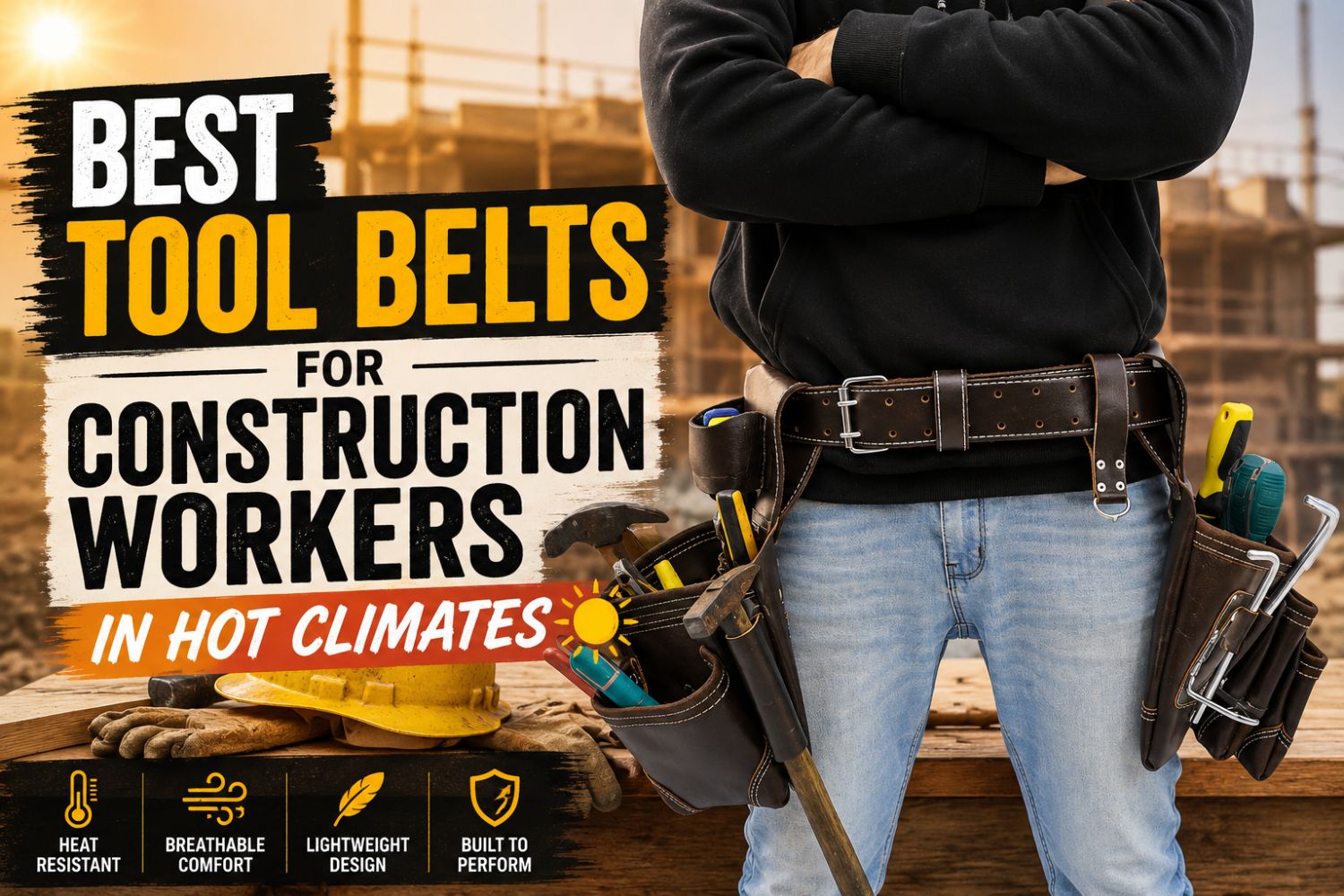
A ten-hour shift under direct sun is hard enough. The wrong tool belt makes it worse digging into your hips, trapping heat against your body, and forcing you to stop and readjust every twenty minutes instead of working. If you're outfitting yourself or your crew for a hot-climate job site, the belt you choose matters more than most people realize. Here's what actually separates a good one from a bad one, and how to shop smart.
Why Heat Changes What You Need From a Belt
Gear that feels fine in March can become unbearable by July. Heavy fabric that traps sweat, stiff padding with no airflow, buckles that dig in once your hands swell from the heat none of it shows up until temperatures climb and shifts get long.
A well-built belt does two things a cheap one doesn't: it moves heat and moisture away from your body, and it distributes weight across your hips instead of your lower back and shoulders. Get both right and you'll notice fewer forced breaks and less end-of-day fatigue. Get either wrong and the belt becomes something you're fighting instead of gear that's helping you work.
What to Look for Before You Buy
Breathable materials
Mesh-backed nylon or perforated leather lets air move between the belt and your skin, which cuts down on sweat buildup significantly over an eight-to-ten-hour shift. Solid, heavy fabric might look tougher on the shelf, but it traps heat and moisture and over time that leads to chafing and skin irritation, not just discomfort. Look specifically for padded sections with airflow channels built in; it's a small detail, but it's the one that matters most by 3 p.m. in July.
Durability that actually holds up
A tool belt has to survive drops, dust, abrasion, and constant sun exposure without falling apart. UV-resistant stitching and reinforced fabric keep a belt structurally sound after months of daily outdoor use cheaper stitching breaks down and frays much faster under UV exposure. Padded waist sections also matter here: a belt loaded with a hammer, a drill, and a pouch of fasteners puts real pressure on your hips, and thin padding turns that into pain by midday.
Practical features worth prioritizing
- Adjustable straps: your waist and hands swell in the heat, so a belt that can loosen mid-shift is worth more than one that fits perfectly at 7 a.m. and pinches by noon.
- Multiple pouch sizes: electricians, framers, and general laborers carry different tools, and a belt with only one type of compartment forces bad workarounds.
- Quick-release buckles: being able to shed the belt fast on breaks helps your body actually cool down instead of overheating with it still cinched on.
- Reflective stitching or accents: a genuine safety upgrade for anyone working near traffic or in low-light early mornings and evenings.
Heavy-Duty vs. Standard Tool Belts
Standard belts are fine for occasional or lighter work a weekend project, light trim work, the odd repair. But daily professional use in extreme heat is a different demand entirely, and standard belts tend to sag, tear, or lose shape faster than crews expect.
A heavy-duty tool belt is built differently from the start: thicker padding, reinforced stitching, and stronger buckle hardware meant to take daily abuse without degrading. The upfront cost is higher, but for full-time crews it usually pays for itself — you're not replacing a belt every few months, and your tools stay secure instead of shifting or falling out mid-task.
A Note on BoltBelts
BoltBelts has built a following among contractors by focusing specifically on hot-climate use breathable padding paired with weather-resistant materials that hold their shape through sun, dust, and daily wear. Their belts offer adjustable sizing to accommodate different layers and body types across seasons, and the ergonomic weight distribution is designed to reduce lower-back strain on long shifts.
Depending on your trade, a few of their collections are worth a look directly:
- Leather construction tool belts: built for builders and contractors who need spacious, reinforced storage
- Leather drywall tool belts: designed around the mobility and quick tool access drywall work demands
- Full tool belt sets: configurable setups covering framers, electricians, and roofers
If you're comparing options for a hot-weather job site, BoltBelts is a brand worth putting on your shortlist alongside whatever else you're considering though as with any gear purchase, it's worth trying a few belts against your specific workload before committing.
Keeping Your Belt in Good Shape Through Summer
- Wipe it down regularly. Sweat and dust break down stitching and fabric faster than most people expect.
- Let it air out overnight rather than leaving it packed in a hot truck or toolbox trapped heat and moisture accelerate wear.
- Check buckles and stitching periodically. Catching a loose stitch or a weakening buckle early prevents a sudden failure mid-shift.
- Store it out of direct sunlight, ideally somewhere shaded and ventilated, to slow material degradation.
The Bottom Line
The features that matter most in hot-climate gear are the ones that are easy to overlook in a store: breathable materials, reinforced stitching, adjustable fit, and smart weight distribution. None of it looks dramatic on a shelf, but it's the difference between gear that supports you through a summer of full shifts and gear you end up replacing or resenting by August. Whether you land on a lightweight daily option or a full heavy-duty belt, prioritize fit and breathability first; everything else is secondary once the temperature climbs.
Frequently Asked Questions
What is the best tool belt for extremely hot weather? Belts with breathable mesh padding and moisture-wicking materials perform best they reduce sweat buildup and help keep you cooler through long shifts.
How is a contractor tool belt different from a standard one? Contractor belts typically include more specialized pouches and reinforced construction built for daily professional use across varied tasks, rather than occasional or light-duty work.
Are heavy-duty tool belts worth the extra cost? For daily, full-time use usually yes. Stronger stitching and hardware mean the belt lasts significantly longer under constant job-site conditions, which often offsets the higher upfront price.
How often should I clean my construction belt? A quick wipe-down weekly, or after especially sweaty or dusty shifts, goes a long way toward preventing material breakdown and extending its lifespan.